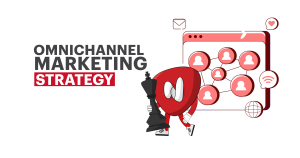
We now have a new strategy called Omnichannel Marketing, and it’s becoming essential for brands that want to deliver a smooth and connected customer experience across all platforms — whether online or offline. When combined with professional Digital Marketing Services, it links your website, social media, and physical stores into one consistent journey. This approach strengthens engagement, improves customer loyalty, and increases your brand’s growth opportunities in today’s competitive market.
What is Omnichannel marketing?
Omnichannel marketing is a smart and effective way to deliver a unified, seamless, and comfortable experience for your customers — whether they interact with your brand through social media, your website, or even your mobile app. The goal is to make every customer feel that your brand offers one connected experience wherever they reach you.
Why is Omnichannel marketing important?
Omnichannel marketing is very important today because customers don’t interact with your brand from just one place. You’ll find them everywhere: they might see your product on Facebook or Instagram, then visit your website to check the details, and finally decide to buy through your app or website.
If all these channels aren’t connected or consistent, or if there are even small differences in communication, customers can get confused, feel uncomfortable, and even frustrated. But when everything is aligned and consistent, customers enjoy a smooth and comfortable experience, feel secure and satisfied, trust your brand more, and are much more likely to make a purchase. In addition, Omnichannel marketing gives you more opportunities to achieve stronger results for your brand and customers, and this is reflected in the following:
It helps you gain a better understanding of your customers’ behavior:
You’ll understand what your customers like and engage with the most, and then you can present it to them in a way that suits their preferences and enhances their experience.
It makes providing faster and more accurate customer service easier:
When all information is available and connected, your team can respond to customers quickly and efficiently, which makes a big difference in their experience.
It helps strengthen your marketing campaigns:
It doesn’t just improve the customer experience; it also makes your campaigns more effective.
When all your channels are connected, every ad and piece of content reaches your customers more clearly and powerfully.
It enhances engagement on social media platforms:
This way, you help your brand get more engagement and attention on social media.Customers will be more likely to like, comment, and even share your content.
It supports more accurate data analysis:
In this way, it provides you with highly accurate data, helping you make better marketing decisions.
Benefits of Omnichannel marketing:
This type of marketing offers a set of practical benefits that improve the customer experience by connecting all channels professionally.
Companies that do this effectively can achieve higher engagement, increased sales, and smarter marketing decisions.
Here, I’ll highlight the most important benefits:
Consistent and smooth customer experience across all channels:
Your customer will feel that everything is easy, connected, and smooth to interact with.
Increased engagement on social media platforms:
Your content will get more likes, comments, engagement, and shares.
Enhanced effectiveness of marketing campaigns:
Your campaigns will reach your customers more effectively and deliver better results.
Challenges of Omnichannel retail marketing:
Companies face many challenges, and Omnichannel marketing is not always easy.Knowing these problems and challenges will help you improve your strategy and make the most of all your channels.
Difficulty in integrating different channels smoothly:
Connecting your business platforms, like your website, app, and social media, can be a complex process that takes time to set up properly.
Different customer behavior across channels:
Customer behaviors vary depending on the channel they use.
For example, someone might browse your product on social media but make the purchase through your website.
Managing and analyzing large amounts of data:
Since data comes from multiple channels, it can be challenging to collect, organize, and analyze it accurately to make sound marketing decisions.
Maintaining a consistent customer experience across channels:
The idea of ensuring that all customers have the same smooth and reliable experience you want across all platforms can be challenging, but it’s essential for building customer trust and satisfaction.
Higher costs for technology and resources:
Implementing and running connected systems requires investing in many tools and resources, as well as a team and training, and all of this adds to the overall costs.
Difficulty in accurately measuring campaign performance across channels:
Tracking results from multiple channels and knowing what works and what doesn’t can be challenging without the right analytics tools and systems.
Lessons learnt from Omnichannel retail marketing:
Some companies have implemented Omnichannel marketing and learned important lessons that show how to improve the customer experience, enhance your campaign performance, and handle the challenges you might face.
For example, you’ve learned that you need to connect all your channels smoothly, understand your customers’ different behaviors across each channel, and analyze data carefully so the decisions you make are accurate. Then, you should maintain a consistent customer experience across all platforms, invest in tools and resources, train your team well, and continuously monitor and measure your campaigns. All of this helps you handle any challenges you might face with ease.
The Evolution of Omnichannel Marketing:
Omnichannel marketing has developed significantly in recent years. With the ongoing digital transformation, it has become essential to understand how customers interact with a brand across multiple platforms at the same time. As author Palmatier explained in his book Marketing Channel Strategy: An Omni Channel Approach, this approach focuses on creating a seamless and unified experience for customers, no matter where or how they connect with the brand.
Here, we can clearly see that the strength of Omnichannel marketing lies in the smooth connection between every customer touchpoint, enabling you to deliver a cohesive and exceptional experience that helps build stronger relationships and greater trust with your audience.
Essential Components of a Successful Omni channel Strategy:
There are a few key essentials you need to have in place when implementing an Omnichannel marketing strategy, and here I’ll walk you through the most important ones, step by step.
Complete Customer Understanding:
Gather all data from every channel to know their interests and behavior, which will help you apply Retargeting Vs Remarketing effectively.
Consistent Messaging:
Keep all offers and content consistent across platforms, from your website to social media and your app, ensuring Effective Digital Marketing Strategies.
Smart Analytics Tools:
Use tools that give you clear insights into campaign performance and let you quickly identify what needs adjustment.
Team Collaboration:
Make sure everyone on your team—marketing, sales, and customer service—is on the same page and working together smoothly. This way, your campaigns run more efficiently and everyone knows exactly what to do.
Best Practices for Implementing Omnichannel Marketing in 2025:
If you want to implement successful Omnichannel marketing in 2025, here are some practical methods and strategies to make your channels interconnected, provide an excellent customer experience, and improve the performance of your campaigns.
Here are some examples of the best practices:
- Use powerful data analytics tools to better understand your customers’ behavior.
- Try to coordinate your messages and content across all channels.
- Simplify the customer experience on each platform as much as possible.
- Use automation to save time and increase efficiency in everything you do.
- Continuously measure your campaign performance accurately and make adjustments as needed.
- Continuously train your team on the latest digital marketing techniques.
Ready to start implementing your Omnichannel marketing strategies and give your customers a better experience? Get started now and make all your campaigns connected and effective!
FAQs:
Q: How can small businesses use Omni-channel strategies?
A: Simply start by connecting your social media pages with your website and marketing emails. Then, monitor how your audience interacts across the different platforms.
Q: What are the biggest challenges in implementing this strategy?
A: The main challenge is keeping data and customer experience consistent across all channels.
Q: What are the most important tools that help manage an Omnichannel marketing strategy?
A: Tools like HubSpot, Mailchimp, and Hootsuite can help you connect your channels, automate campaigns, and analyze customer behavior.